Monogram Illustration Wedding Invitation: Your Complete Design Toolkit
There's something deeply personal about a wedding invitation that features a custom monogram. It's not just a pretty graphic—it's a visual promise, a first glimpse into the tone and story of a couple's celebration. If you've been searching for a design asset that captures that blend of elegance and intimacy, a Monogram Illustration Wedding Invitation template might be the creative shortcut you didn't know you needed. Available in multiple formats and designed for easy customization, this type of asset bridges the gap between professional-grade design and accessible, ready-to-use templates.
Why Monogram Illustrations Resonate in Wedding Design
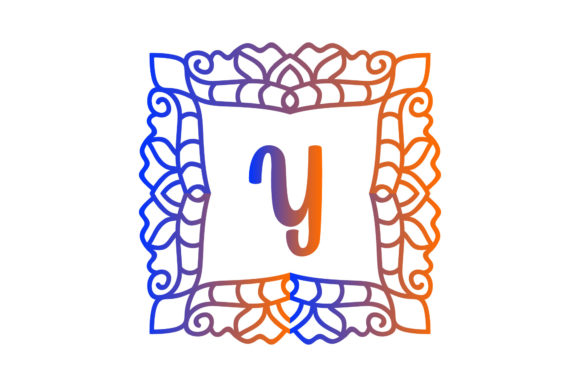
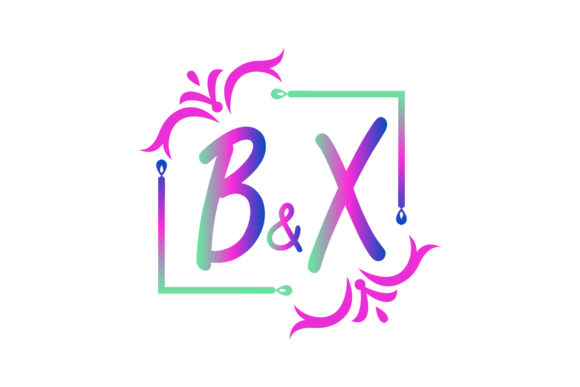
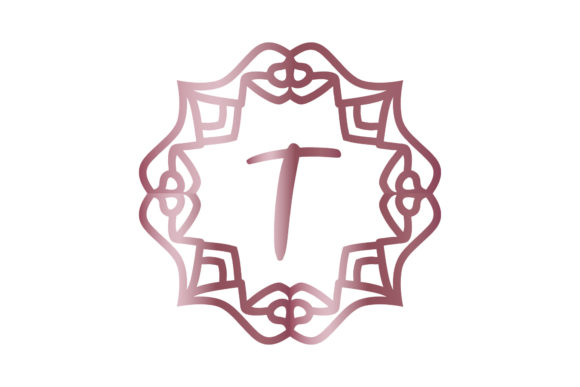
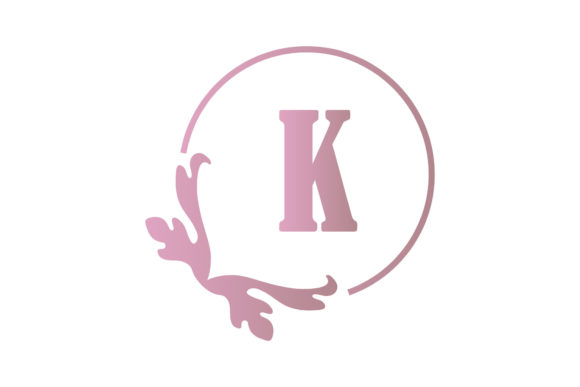
A monogram does more than display initials. In the context of a wedding invitation, it acts as an anchor—a visual focal point that ties typography, color, and layout together. The illustration style matters too. A hand-drawn monogram carries warmth and authenticity, while a more geometric or ornate approach can evoke classic formality or modern minimalism. When you start with a well-crafted monogram illustration, you're not just filling space on a card; you're building a visual identity for an event that people will remember.
What makes this particular design resource stand out is its versatility. Delivered in five widely used formats—AI, EPS, SVG, JPG, and PNG—it accommodates a range of workflows. Whether you're a designer working in Adobe Illustrator, a crafter using a cutting machine, or someone who simply needs a high-resolution image for print, the file variety removes technical barriers. The canvas size of 1920 by 1280 pixels in each format ensures consistency across digital and print applications, which is crucial when you're scaling a design for everything from a website banner to a physical card.
Practical Applications Beyond the Wedding Suite
While the primary use case is clear—creating beautiful wedding invitations—the utility of a monogram illustration extends far beyond that single application. Think about the broader ecosystem of wedding-related design: save-the-dates, RSVP cards, ceremony programs, menu cards, table numbers, favor tags, and thank-you notes. A cohesive monogram ties all these elements together, creating a visual thread that guests will recognize and appreciate.
But let's push the thinking further. Monogram illustrations are powerful branding tools. If you're a wedding planner, photographer, or event stylist, incorporating a client's monogram into your portfolio presentations or social media content adds a layer of professionalism and personalization. Small business owners in the bridal industry—florists, bakers, stationery designers—can use monogram templates to mock up concepts for clients quickly, speeding up the approval process and reducing revision cycles.
Here are a few more real-world scenarios where this asset shines:
- Social Media Graphics: Use the monogram as a watermark on Instagram posts or as a featured image in Pinterest pins to create a cohesive visual brand across platforms.
- Website Design: Integrate the monogram into a wedding website header, favicon, or landing page hero image for a polished, unified look.
- Packaging and Merchandise: Apply the design to gift boxes, tote bags, or custom stickers for wedding favors or bridal shop merchandise.
- Editorial Layouts: Feature the monogram in magazine-style spreads, blog post headers, or digital lookbooks related to wedding planning content.
- Print Materials: Beyond invitations, monograms work beautifully on business cards, letterheads, and promotional flyers for wedding-related services.
Matching Design Style to Project Goals
Not every monogram illustration will suit every project. The style of the illustration should align with the emotional tone you're trying to convey. A delicate, floral monogram with fine line work might be perfect for a romantic, garden-themed wedding. A bold, symmetrical monogram with clean edges could complement a modern, urban celebration. Before selecting a template, consider the overall aesthetic of the event or brand it's meant to represent.
This is where the editability of the design becomes invaluable. The ability to adjust colors, resize elements, and modify details means you're not locked into a single interpretation. If the original illustration uses a gold and ivory palette but your client envisions deep burgundy and forest green, the layered file formats—particularly AI and EPS—make those adjustments straightforward. This flexibility is what separates a usable template from a truly useful design asset.
Typography pairing is another consideration. A monogram illustration typically works best alongside a complementary typeface. If the monogram has a script or handwritten quality, pairing it with a clean sans-serif font for body text creates visual balance. Conversely, if the monogram is more geometric, a serif typeface with classic proportions can add warmth and readability. Testing a few font combinations before finalizing the layout helps ensure the final product feels intentional rather than improvised.
Readability, Scalability, and Professional Polish
One common mistake in invitation design is prioritizing aesthetics over legibility. A beautiful monogram means little if the surrounding text is hard to read. When working with this type of template, pay close attention to font size, line spacing, and contrast. The 1920 by 1280 pixel canvas provides ample room to work with, but once you scale down to a standard invitation size—say, 5 by 7 inches—fine details can become muddled. Always test your design at the intended print size before committing to a final version.
The multiple format options also support a professional workflow. SVG files are ideal for web use because they scale without losing quality. PNG files with transparent backgrounds layer easily over photographs or textured backgrounds. JPG files are convenient for quick previews or email attachments. Having all five formats at your disposal means you can adapt the monogram for virtually any medium without starting from scratch.
For those working in commercial contexts, it's worth reviewing the licensing terms associated with any design asset. While this particular resource is designed for broad usability, understanding the scope of your license—especially if you plan to use the monogram in products for resale—ensures you stay compliant and avoid unexpected issues down the line.
Building Visual Consistency Across Touchpoints
One of the most underrated benefits of using a monogram illustration is the consistency it brings to a multi-piece design project. Weddings, by nature, involve numerous printed and digital materials. When every piece shares the same monogram, the result feels curated and intentional. This principle applies equally to branding projects. A small business that uses a consistent monogram across its website, social media, packaging, and print collateral builds recognition faster than one that uses mismatched visual elements.
Think of the monogram as a visual signature. It doesn't need to dominate every layout—it can appear subtly as a watermark, a corner accent, or a background pattern. Its presence reinforces identity without overwhelming the content. This kind of restrained, strategic use is what separates amateur design from professional-grade visual communication.
If you're a content creator or blogger covering wedding topics, incorporating monogram illustrations into your graphics adds a layer of sophistication that resonates with your audience. It signals that you understand the visual language of the industry and that your content is worth their time. For marketers, the same principle applies: polished, cohesive graphics improve engagement, click-through rates, and brand perception.
Ultimately, a Monogram Illustration Wedding Invitation template is more than a design shortcut. It's a foundation—a starting point that you can build upon, customize, and adapt to suit a wide range of creative and commercial needs. Whether you're designing for a client, planning your own celebration, or creating content that speaks to the wedding industry, having a versatile, well-crafted monogram in your toolkit saves time, elevates quality, and keeps your visual communication sharp and consistent.