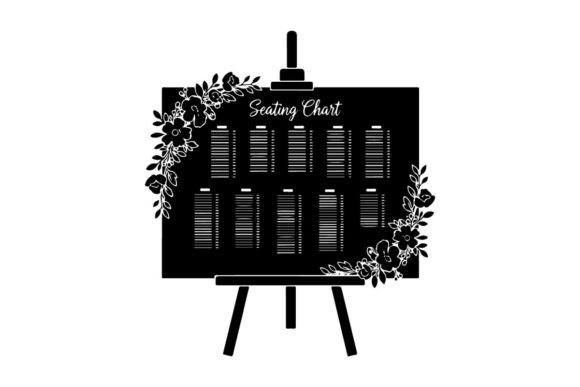
Wedding Seating Chart Vector Illustration: Your Design Blueprint
There’s a moment in every wedding planning process where the abstract becomes tangible. It’s when the guest list, a chaotic spreadsheet of names and relationships, transforms into a visual map of the celebration itself. The seating chart is that map. It’s more than just a practical guide; it’s the first glimpse your guests get of the event’s atmosphere, a subtle hint at the style and thoughtfulness woven into every detail. A well-designed chart sets the tone, reduces confusion, and becomes a beautiful piece of the decor. For designers, planners, and DIY couples, starting with the right visual foundation is everything. This is where a clean, versatile vector illustration steps in, turning a logistical necessity into a piece of art.
Beyond the List: The Visual Power of a Clean Silhouette
What makes a wedding seating chart vector illustration so effective? It’s the combination of clarity and elegance. Think of the classic bride and groom silhouette, the graceful curve of a chandelier, or the simple outline of a floral arrangement. These are the building blocks of wedding visual language. A vector file, built on mathematical paths rather than pixels, means these shapes are infinitely scalable. You can use the same delicate chair illustration for a tiny place card and blow it up for a six-foot welcome sign without a single pixelated edge. The silhouette style, in particular, offers a modern, sophisticated look. It avoids the potential tackiness of overly detailed clip art, instead providing a strong, recognizable shape that communicates instantly. This minimalist approach ensures your typography and the guests' names remain the undisputed stars of the show.
The true versatility of this asset lies in its adaptability. A single vector silhouette of a wedding cake can be recolored to match a blush pink, sage green, or deep burgundy theme in seconds. It can be combined with other elements—a delicate script font for names, a bold sans-serif for table numbers—to create a composition that feels entirely unique to each event. For a branding project, this consistency is gold. The same illustration style used on the seating chart can be echoed on the menu cards, the wedding website, and the social media announcements, creating a cohesive brand identity for the wedding day itself. This isn’t just about decoration; it’s about building a visual story.
From Concept to Creation: Practical Applications for Every Project
The utility of a high-quality, editable vector extends far beyond the wedding day. For graphic designers and small business owners in the event space, this asset is a workhorse. Consider the life of a wedding planner: the same foundational illustration can be repurposed for a client proposal, a portfolio showcase, a promotional social media graphic, and the final printed chart. The included PNG files with transparent backgrounds are perfect for quick drag-and-drop use in tools like Canva or Adobe Express, making them accessible for content creators and bloggers crafting styled shoot content.
For those in packaging or merchandise design, the applications are equally compelling. Imagine a bridal boutique using a simplified version of the vector on their shopping bags or tissue paper. A stationer could incorporate it into a line of wedding invitation suites. The clean lines ensure it prints beautifully on everything from thick cardstock to delicate vellum, and on physical goods like tote bags or mugs. Because the files are optimized for both digital and print workflows, moving from a screen mockup to a physical product is a seamless process. This reliability saves countless hours of troubleshooting file formats and quality issues, a practical benefit that any professional appreciates.
Integrating the Asset: A Guide for Designers and Entrepreneurs
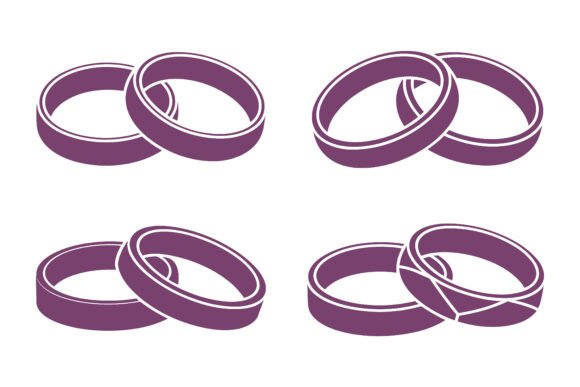
Having a great design element is one thing; knowing how to use it effectively is another. The first step is always to align the asset with your project’s goals. Is the mood romantic and traditional? A silhouette of intertwined rings or a classic car might be perfect. Is the vibe modern and minimalist? A simple geometric frame or a single, elegant leaf outline could be the answer. This is where reviewing the included files becomes crucial. A good package will offer a variety of related icons—perhaps a set including a cake, a champagne glass, and a gift—allowing you to maintain a consistent visual language across multiple pieces.
Next, consider typography pairing. A delicate script font pairs beautifully with a detailed floral silhouette for a romantic feel. Conversely, a strong, modern sans-serif font can create a striking contrast with a simple, bold shape, perfect for a contemporary celebration. Always test these pairings at the actual size they’ll be viewed. A font that looks elegant on screen might become illegible when printed small on a place card. Readability is paramount; the illustration should frame and enhance the information, never overshadow it. Finally, for any commercial project, double-check the licensing. A truly professional asset will come with clear, permissive terms for both personal and commercial use, giving you the confidence to use it in client work, on products for sale, and across your own marketing materials without legal ambiguity.
In the end, a tool like this is about empowerment. It provides a polished starting point, allowing you to focus your creative energy on the custom details that make each project special. Whether you’re a seasoned designer streamlining your workflow, a wedding planner adding value for your clients, or a couple pouring love into your own DIY details, the right vector illustration is more than just a picture. It’s a foundation for clarity, a catalyst for creativity, and a small but significant piece of the puzzle that helps turn a vision into a beautifully realized moment.